
Take a closer look at low mood and emotional changes
A low mood can be temporary, but it can also begin to affect interest, hope, energy, sleep, concentration, and connection with other people. This test helps you reflect on the broader picture rather than one difficult day.
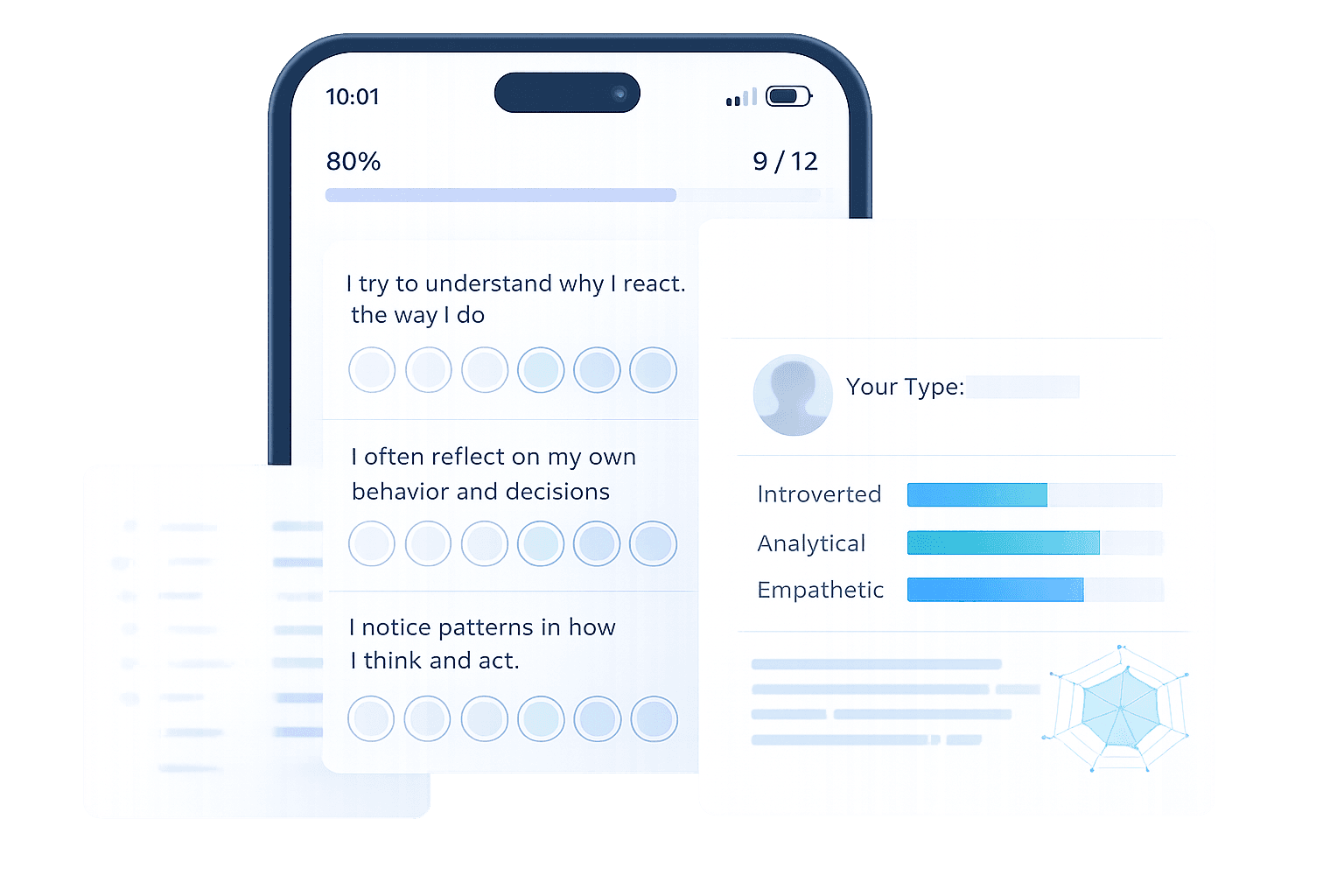
Look at mood together with interest and hope
Feeling down is only one part of the picture. Notice whether enjoyment, optimism, emotional connection, or the ability to look forward to things has changed as well.
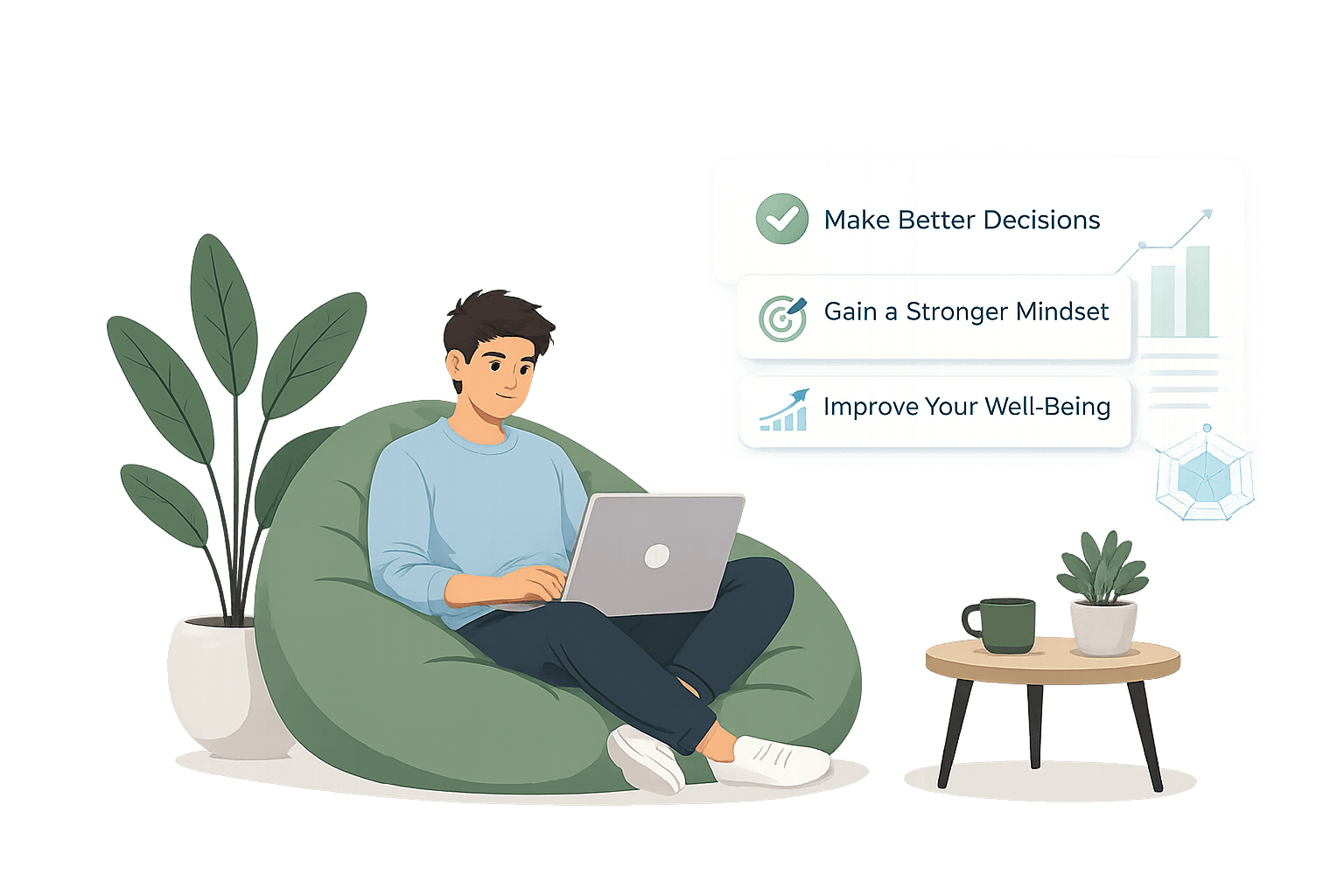
See what low mood is changing in daily life
Reflect on sleep, energy, focus, motivation, relationships, self-care, and ordinary responsibilities to understand whether the emotional change is beginning to affect more than your internal mood.
How to use a depression mood test
Think about more than today
Answer from your recent experience across ordinary days rather than from one unusually good or bad moment.
Notice the emotional pattern around low mood
Consider sadness, emptiness, irritability, hopelessness, reduced interest, emotional numbness, and the way these experiences may be appearing together.
Connect mood with functioning
Use the result to reflect on whether changes in mood are also affecting sleep, energy, concentration, routines, relationships, or enjoyment.
Low mood becomes more informative when you look at what travels with it
A difficult emotional stretch can involve sadness, emptiness, irritability, hopelessness, or feeling emotionally flat. It can also reduce pleasure and interest in things that normally help you feel engaged with life.
Mood is easier to understand when you compare it with energy, sleep, concentration, motivation, connection, and daily functioning. The result is not a diagnosis, but it can help you describe whether several changes are beginning to form a more persistent pattern.
Low mood and depression questions
Is low mood the same as depression?
Is low mood the same as depression?
No. Low mood can happen for many reasons and may pass. Depression involves a broader and more persistent pattern that can include loss of interest, low energy, hopelessness, sleep or concentration changes, and difficulties in daily functioning.
Can depression involve irritability or numbness instead of sadness?
Can depression involve irritability or numbness instead of sadness?
Yes. People can experience depression-related changes differently, including irritability, emotional flatness, disconnection, reduced enjoyment, or a sense that ordinary life has become harder to engage with.
What should I think about when answering?
What should I think about when answering?
Think about your recent pattern overall: how often the feelings appear, whether they are lasting, and whether they are changing your routines, relationships, concentration, sleep, or interest in activities.
Does this test diagnose depression?
Does this test diagnose depression?
No. It is an educational self-reflection tool and cannot diagnose a mental-health condition.